
You’ll find this post in your _posts directory. Go ahead and edit it and re-build the site to see your changes.
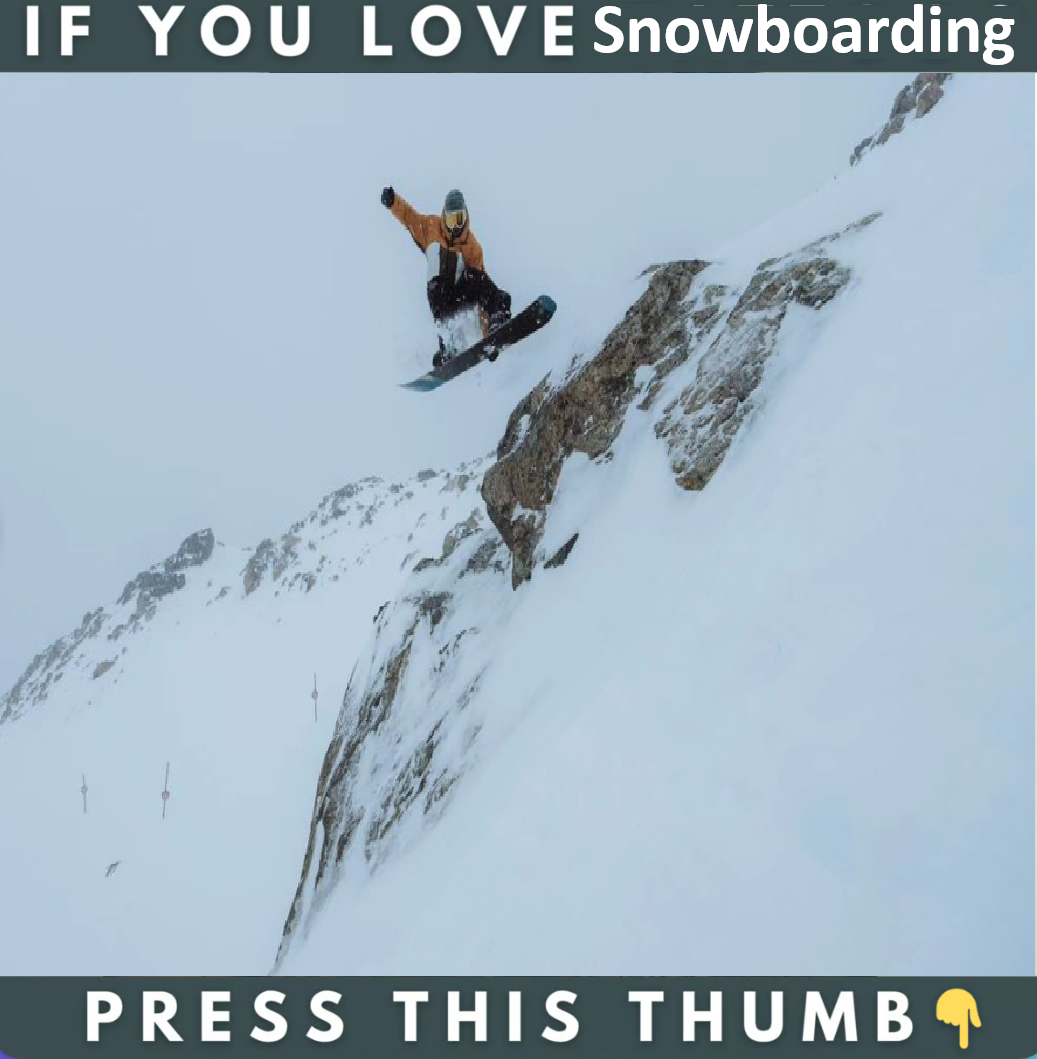
To add new posts, simply add a file in the _posts directory that follows the convention YYYY-MM-DD-name-of-post.ext and includes the necessary front matter. Take a look at the source for this post to get an idea about how it works.
section 1
Snowboarding in different weather conditions requires adaptability and preparation. Here are some tips for riding in various weather conditions:
-
Sunny Days: Wear sunscreen and UV-protective goggles to protect your skin and eyes from the sun’s rays. Dress in layers to stay comfortable as temperatures can vary throughout the day.
-
Snowy Days: Wear waterproof and breathable outer layers to stay dry. Use goggles with a low-light lens to improve visibility in snowy conditions. Keep your gear dry by using a waterproof backpack.
-
Windy Days: Wind can make it feel colder, so dress in windproof layers to stay warm. Use a neck gaiter or balaclava to protect your face from the wind.
-
Foggy Days: Fog can reduce visibility, so use goggles with a high-contrast lens to improve your vision. Stay close to marked trails and be cautious of other riders.
-
Cold Days: Layer up with moisture-wicking base layers, insulating mid-layers, and a waterproof outer layer. Use hand and foot warmers for extra warmth. Take regular breaks indoors to warm up.
-
Warm Days: Wear lighter layers and use moisture-wicking fabrics to stay cool. Stay hydrated by drinking plenty of water. Be mindful of changing snow conditions as the day warms up.
-
Variable Conditions: Be prepared for changing conditions by bringing extra layers and gear. Check the weather forecast before heading out and adjust your plans accordingly.
By adapting to different weather conditions, you can enjoy snowboarding in any environment while staying comfortable and safe.
section 2
```